


For many Muslims, engaging with the Hijri calendar is a way of staying connected to the spiritual pulse of the Islamic year. Here are some practical ways to bring it into your life:
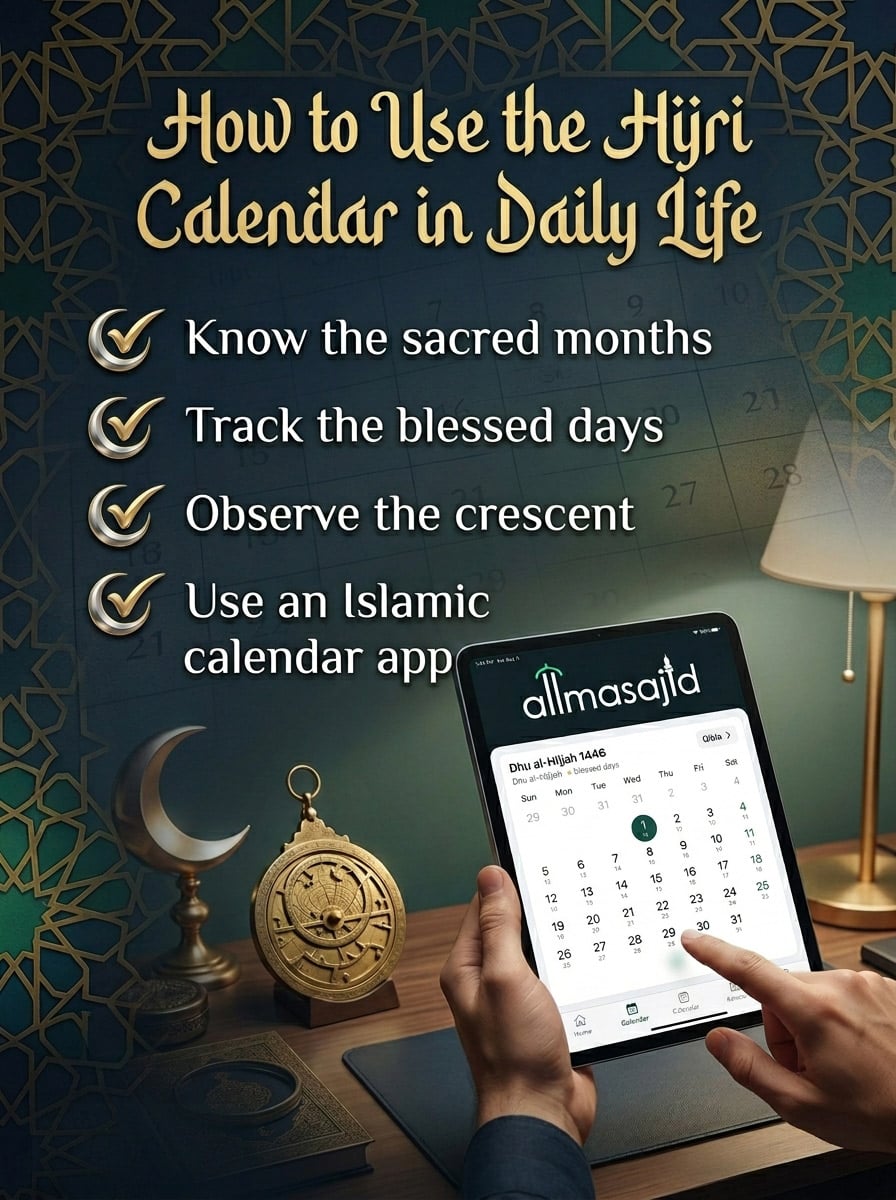
- Know the sacred months: Note when Muharram, Rajab, Dū al-Qa’dah, and Dū al-Hijjah fall this year, and approach them with greater mindfulness in your deeds.
- Track the blessed days: The 9th and 10th of Muharram (Ashura), the first ten days of Dū al-Hijjah, and the middle of Sha’ban are among the most spiritually significant days in the year.
- Observe the crescent: Make a habit of looking for the new moon at the start of each month. It connects you to the rhythm of Islamic time in a tangible, beautiful way.
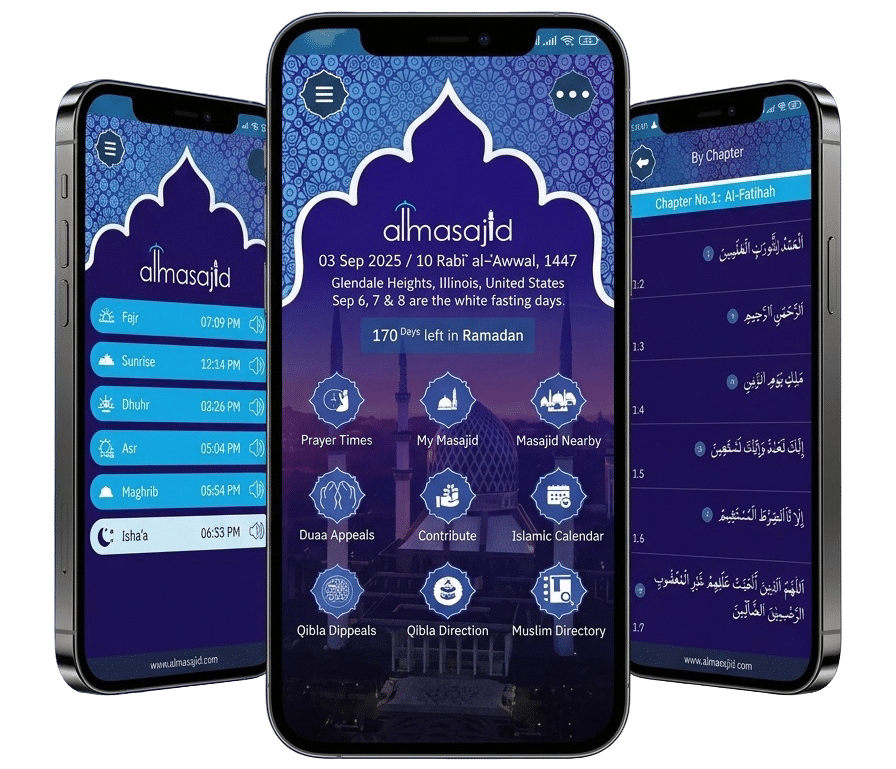
- Use an Islamic calendar app: Tools like allMasajid track the Hijri date, alert you to upcoming Islamic events, and help you plan fasts and worship around the lunar calendar.
- Teach your children: When a child learns that Ramadan falls in different seasons because of the moon, they begin to understand that Islamic worship is not seasonal or occasional — it belongs to all of life.