Small Deeds, Great Rewards: Never Underestimate the Good You Do
Small Deeds, Great Rewards: Never Underestimate the Good You Do A reflection on the immense value Islam places on every…



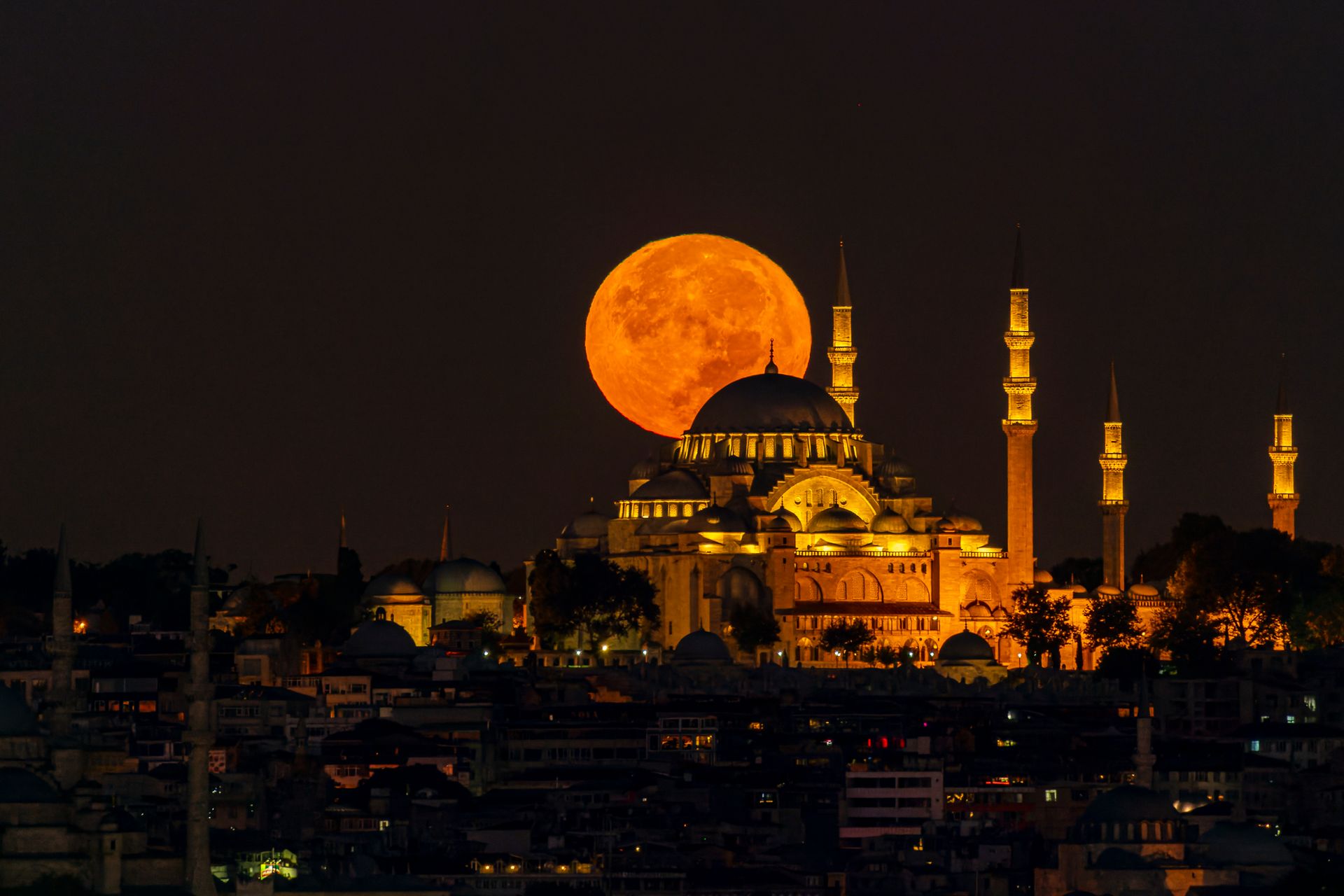
Discover the sacred practice of Rukyah al-Hilal — how the sighting of the new crescent moon guides the Islamic calendar, marks the beginning of sacred months, and connects the Ummah to centuries of tradition.
Moon sighting, known in Arabic as Ru'yat al-Hilal, is the practice of observing the crescent moon to determine the start of a new Islamic month. It is a tradition deeply rooted in Islamic scholarship and continues to guide Muslim communities around the world in aligning their religious and social calendars.
In Islam, the lunar calendar is central to religious life. The sighting of the crescent moon marks the beginning of each new month and is essential for determining the dates of major Islamic observances, including the start of Ramadan, the celebration of Eid al-Fitr, Eid al-Adha, the beginning of Muharram, and other significant events in the Islamic year.
Muslim communities rely on verified moon sighting reports to prepare for fasting, prayer gatherings, and celebrations. Whether observed locally or confirmed through trusted Islamic authorities, moon sighting remains one of the most meaningful shared practices connecting Muslims across generations and geographies.


Small Deeds, Great Rewards: Never Underestimate the Good You Do A reflection on the immense value Islam places on every…
The Sacred Months in Islam Why Muharram MattersAn exploration of the four sacred months of Islam, the theology that underlies…
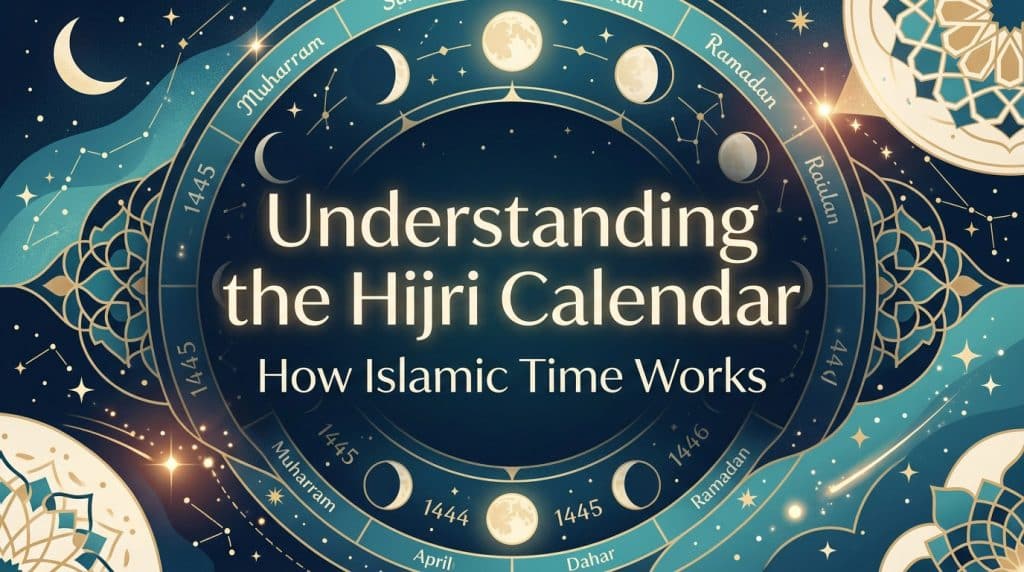
A complete guide to the lunar calendar that governs Islamic worship, sacred months, and spiritual rhythms.
A reflection on the first month of the Islamic year — its sacredness, its history, and the quiet invitation it…

A Period of Spiritual Reflection and Development The goal of fasting throughout Ramadan is to achieve Taqwa, or God-consciousness, rather…

Al-Isra’ wal-Mi’raj (the Night Journey & Ascension) is a miracle second only to the revelation of the Qur’an, and it…

Events That Took Place in the month of Jamad Al-Awwal The Miraculous Mu’tah Battle:The Mu’tah Battle occurred in this month…

Rabi al-Awwal important to Muslims After Muharram and Safar, Rabi al-Awwal is the third month in the Islamic calendar. Birth…



Copyright © 2026. All rights reserved | Disclaimer | Copyright Privacy Policy


