


NEWSLETTER SUBSCRIPTION


1448 AH · Second Month of the Hijri Calendar

Safar Understanding the Month Through Authentic Islamic Teachings

Many cultural myths surround Safar, but Islam teaches us to replace superstition with faith, knowledge, and trust in Allah.

Explore the authentic teachings of Islam about Safar, dispel common misconceptions, and strengthen your trust in Allah through the Quran and Sunnah.
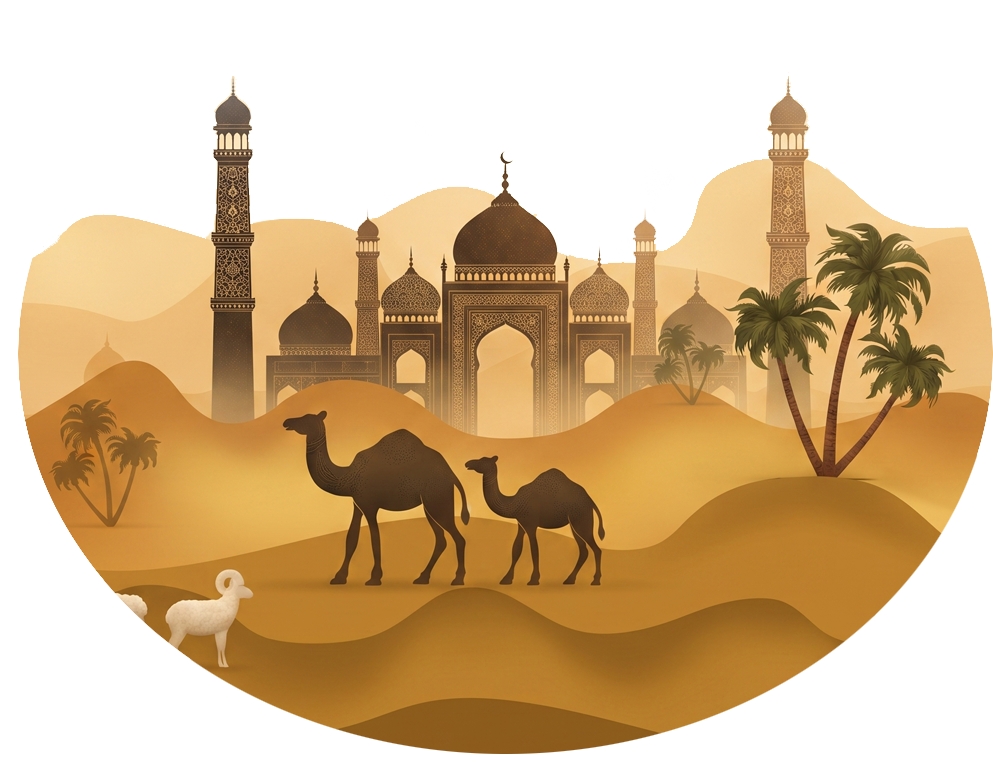
Golden sunrise over a desert road with a distant mosque silhouette and a traveler walking peacefully Safar · 1448 AH

Understanding Safar

What Is Safar?

Second Month

The second month of the Hijri calendar, following the sacred month of Muharram.

Meaning of the Name

"Safar" derives from "Sifr" (empty) — referring to homes left empty as people set out to travel, trade, or gather provisions.

Month of Tawakkul

A reminder that nothing happens except by Allah's decree — never by date, month, or omen.

A Month Like Any Other

Safar is not one of the four sacred months, but it carries no inherent misfortune or blessing of its own.

Hijri Calendar Position

Muharram
Safar Current Month
Rabi' al-Awwal

Safar 1448 AH / 2026 Quick Reference

Event Expected Date
1 Safar (Start of the Month) 15–16 July 2026
White Days of Safar (13th–15th) 27–29 July 2026
End of Safar 1448 AH 12–13 August 2026

All dates are approximate and subject to moon sighting confirmation. They may vary by 1–2 days depending on location and the methodology followed locally.

Myth vs. Reality

Common Myths About Safar

Tap a card to reveal the authentic explanation

What Did the ProphetTeach?

Featured · Hadith

لا عَدوى‌ ولا طِيَرةَ ولا هامةَ ولا صفر

Lā 'adwā, wa lā ṭīrah, wa lā hāmmah, wa lā ṣafar.

"There is no 'Adwa (contagion without Allah's permission), no bad omen, no Hamah, and no Safar."

Sahih al-Bukhari 5707; Sahih Muslim 2220 — narrated by Abu Hurairah (RA)

A Second Authentic Narration

لا عدوى ولا طيرة ولا هامة

Lā 'adwa wa lā ṭīrata wa lā hāmata.

"The descending of illness and evil superstition befalling in the month of Safar is untrue."

— Sahih Muslim 2222, narrated by Jabir ibn 'Abdullah (RA)

The Prophetfirmly rejected pre-Islamic superstitions about disease, omens, and the month of Safar — while still affirming reasonable precaution and complete trust in Allah's decree.

'Adwa (Contagion)

Disease does not transmit by its own nature — it occurs only by Allah's permission. This does not negate taking reasonable precautions.

Hamah & Ṭīrah

Jahili superstitions — such as belief in ill-fated birds or restless spirits — that Islam firmly rejects.

"No Safar"

Removes the Jahiliyyah belief that Safar itself brings misfortune. No month, in itself, brings calamity or blessing.

Tawakkul & Precaution

Trusting Allah means refusing to attribute power to causes He has not given power over — such as a name on a calendar.

Replacing Superstition with Tawakkul

Superstition Faith
Superstition (Jahiliyyah)

Fear of an "unlucky" month

Rumours and cultural hearsay

Avoidance of marriage, travel, or business

Attributing harm to a date or omen

A cautious, anxious outlook

Faith (Tawakkul)

Trust in Allah's decree (Qadr)

Knowledge from the Quran and authentic Sunnah

Confidence to act, plan, and proceed with good intention

Attributing all outcomes to Allah alone

A positive, hopeful outlook (ḥusn al-ẓann)

Key Takeaways

Lessons We Can Learn From Safar

Trust Allah

Nothing occurs except by Allah's permission — not by date, omen, or superstition.

Quran 9:51 — "Say: Nothing will happen to us except what Allah has decreed for us."

Reject Superstition

Islam removed Jahili beliefs about unlucky months, birds, and omens entirely.

Sahih al-Bukhari 5707 — "...no bad omen, no Hamah, and no Safar."

Seek Knowledge

Replacing inherited myths requires actively learning authentic Islamic teachings.

Quran 20:114 — "My Lord, increase me in knowledge."

Increase Dua

Turning to Allah in supplication strengthens reliance on Him in every season.

Quran 40:60 — "Call upon Me; I will respond to you."

Maintain Optimism

The Prophetloved good omens (al-fa'l) — a hopeful word or sign — while rejecting fear-based ones.

Sahih al-Bukhari 5756 — the Prophetloved optimism and disliked pessimism.

Strengthen Iman

Every month offers an opportunity for worship, reflection, and drawing closer to Allah.

Quran 9:36 — "The number of months with Allah is twelve months..."

Quranic Reminder

Verse 1

قُل لَّن يُصِيبَنَا إِلَّا مَا كَتَبَ اللَّهُ لَنَا

Qul lan yuṣībanā illā mā kataba Allāhu lanā.

"Say: 'Nothing will happen to us except what Allah has decreed for us.'"

Quran 9:51

Verse 2

وَمَن يَتَوَكَّلْ عَلَى اللَّهِ فَهُوَ حَسْبُهُ

Wa man yatawakkal 'alā Allāhi fahuwa ḥasbuh.

"And whoever relies upon Allah — then He is sufficient for him."

Quran 65:3

Verse 3

إِنَّ عِدَّةَ الشُّهُورِ عِندَ اللَّهِ اثْنَا عَشَرَ شَهْرًا فِي كِتَابِ اللَّهِ يَوْمَ خَلَقَ السَّمَاوَاتِ وَالْأَرْضَ مِنْهَا أَرْبَعَةٌ حُرُمٌ

"Indeed, the number of months with Allah is twelve lunar months in the decree of Allah from the Day He created the heavens and the earth; of them, four are sacred."

Quran 9:36

Questions & History

Your Questions Answered

Frequently Asked Questions

Yes. There is no restriction on marriage during Safar. The Prophethimself married 'Aishah (RA) in this month, and his daughter Fatimah (RA) was married to 'Ali (RA) during Safar as well — both blessed unions that directly refute the myth.

Yes. Travel is entirely permissible and was historically common in Safar, which takes its very name from journeys undertaken in this period. The Hijrah itself — the most significant journey in Islamic history — began toward the end of Safar.

No. The Prophetexplicitly said: "...no bad omen, no Hamah, and no Safar" (Sahih al-Bukhari 5707). No month carries inherent misfortune; all outcomes occur only by Allah's permission.

No authentic hadith discourages marriage, travel, or work during Safar. Such restrictions come from pre-Islamic (Jahili) custom, not from the Quran or Sunnah.

No. There is no Islamic basis for delaying business, contracts, or decisions because of the month. Provision (rizq) and timing belong to Allah, not to a calendar month.

No specific acts of worship are prescribed exclusively for Safar in the authentic Sunnah. Muslims are encouraged to maintain their regular acts of worship — prayer, dhikr, Quran, charity, and dua — consistently throughout the year, including in Safar.

Historical Events During Safar

1 AH

Battle of Abwa' (Waddan)

The Prophetpersonally led his first military expedition, establishing a peace treaty with Banu Damrah. No fighting occurred — the expedition demonstrated the new Muslim community's organisation and resolve.

1 AH

The Hijrah Begins

Toward the end of Safar, after the Quraysh plotted to assassinate him, the Prophetleft Makkah with Abu Bakr (RA), beginning the Hijrah to Madinah — later established as the start of the Islamic calendar.

2 AH

Marriage of Fatimah (RA) and 'Ali (RA)

The Prophet'sbeloved daughter was married to 'Ali ibn Abi Talib (RA) — one of the most blessed unions in Islamic history, itself a refutation of the idea that Safar is inauspicious for marriage.

7 AH

Battle of Khaybar

A major and decisive victory for the Muslims, opening significant economic and strategic gains for the early Muslim state.

11 AH

Onset of the Prophet'sFinal Illness

Toward the end of Safar, the Prophetfell ill after attending funeral rites at Al-Baqi'. He continued leading prayer for several days before his passing in Rabi' al-Awwal.

Build the Habit

Daily Sunnah Checklist

Today's Progress 0 / 8 completed

Test Your Knowledge

Myth vs Truth Quiz

Question 1 of 7 Score: 0

You scored 0 / 7

A parent and child seated together reading the Quran, warm homely lighting Family & Faith

For Parents & Families

Teach Your Family

Start with the Prophet'sown wordsExplain simply that he ﷺ told us there is "no Safar" — no bad luck attached to this month.

Use a memorable storyThe Prophet'smarriage to 'Aishah (RA) in Safar shows good things happen in every month.

Gently correct with kindnessWhen relatives treat Safar as unlucky, focus on clarity rather than criticism.

Encourage children to ask "why?"Help them find the answer in the Quran and Sunnah rather than in tradition alone.

Model confident, positive behaviourChildren absorb Tawakkul by watching how calmly adults respond to dates and omens.

allMasajid App

Make the Most of Safar

Stay connected with prayer times, Islamic calendar updates, Quran, duas, reminders, and your local masjid — all in one beautiful app.
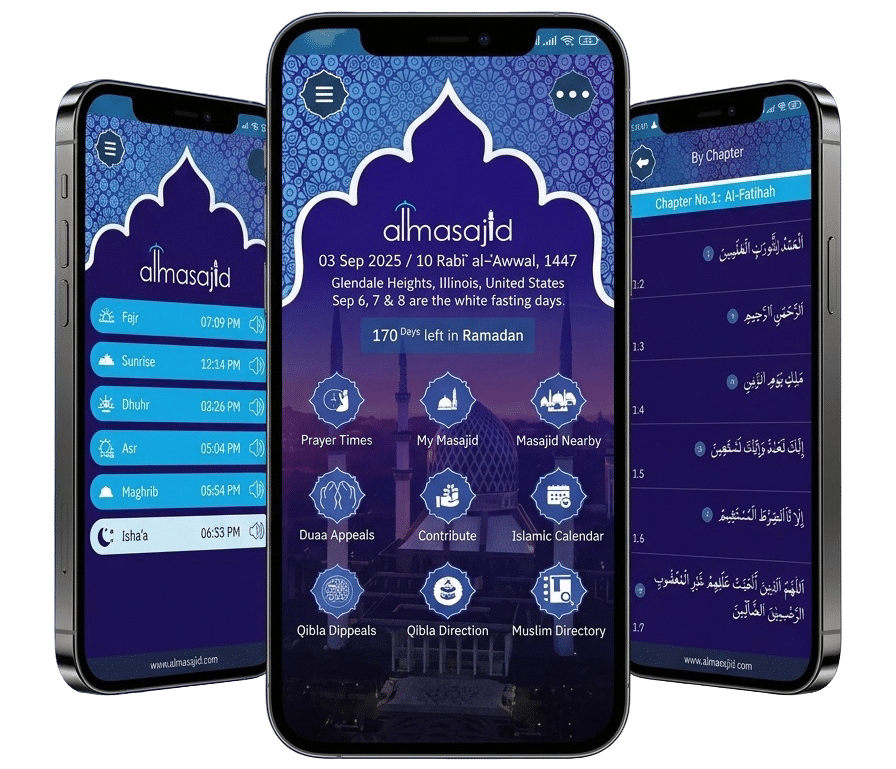
🕐 Prayer Times 📅 Islamic Calendar 📖 Quran Reader 🤲 Du'as & Adhkar 🕌 Masajid Nearby 🔔 Islamic Reminders
Logo

: P.O. Box 87553
Carol Stream IL 60188

: (+1) 872-267-2253

: info@allMasajid.com

Newsletter

allMasajid Apps

Copyright © 2026. All rights reserved | Disclaimer | Copyright Privacy Policy